







|
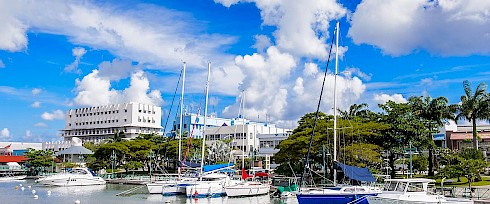
A little over 20 miles to the north-east of Trinidad, the country's second main island retains a character all of its own.
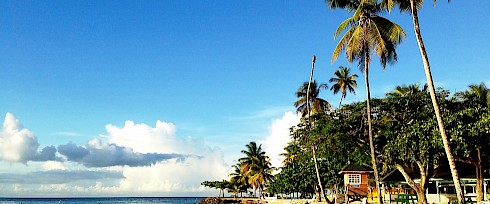
The Tobago Forest Reserve is one of the oldest protected rainforests in the world, having been officially declared a reserve in 1776. That has helped to attract some 200 species of bird that either live on or regularly visit the island, including giant frigate birds, which can be found off the northern tip of Tobago close to St Giles. Off the northeast coast are coral reefs which, along with a number of shipwrecks around the island, have become a major draw for scuba divers.
Given that rich and diverse heritage, the island has a clear opportunity to develop itself as one of the region's most vibrant ecotourism destinations.
"Tobago has the longest protected rainforest in the Western hemisphere," says Ashworth Jack, Minority Leader of the Tobago House of Assembly. "That has been one of our sources of pride. We also have the largest brain coral in the world, in the Speyside reef. That has become a major attraction."
However, there is recognition among senior industry figures that more could be done to enhance the environment and improve the experience for tourists.
"In Tobago there is no national park on the island yet we have a beautiful landscape," says Stanley Beard, Chairman of the country's Tourism Development Company and a native of Tobago. "If we invest in developing parkland it can be used for recreation. The population needs to see that the country is serious about conserving open spaces which, in the long run, will go towards the tourism effort."
There have also been calls for more hotels to be built on the island and additional direct flights to link Tobago to key source markets for tourists. The latter issue is being gradually addressed by the country's flag carrier, Caribbean Airlines, which in December began a weekly direct flight from New York to Tobago.
Beard is keen to use the cultural heritage of the island to ensure that those planes are full when they take off from JFK International.
"The potential resides here," he says. "What we're going to develop is an integrated form of cultural tourism: you take your traditions and your heritage and you use them to develop products. Now is the time that we have to really work towards developing new tourism products." |