






|
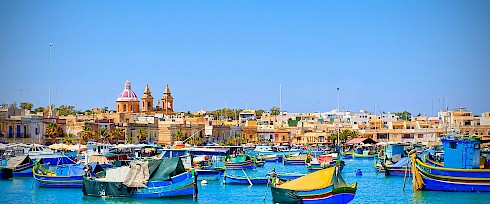
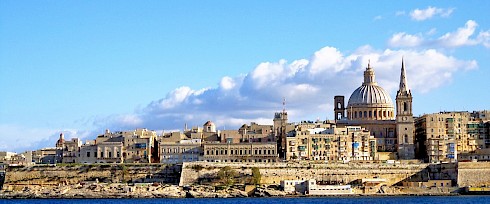
As uprisings have swept through much of the Arab world this year, Malta, which is one of the closest EU countries to North Africa, has often found itself at the centre of events.
The ongoing political unrest in Libya has been particularly testing, putting pressure on Malta’s economy, which has significant and long standing ties with Libya, as well as placing its diplomatic abilities in the spotlight.
Malta’s southern neighbours have always been important.
Despite EU membership, the island nation still has important business links with Libya in particular, which lies around 200 miles to the south. There are also strong cultural ties, with the Maltese language part of the same family of Semitic languages as Arabic.
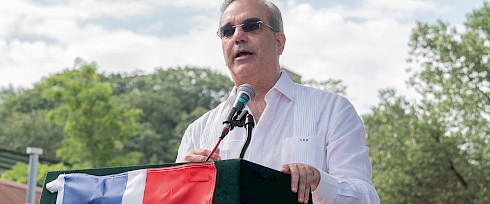
As such, the events of this year have been a big test for the country. As Dr Tonio Borg, Minister of Foreign Affairs, says, “We are in the eye of the storm.”
The unrest has meant that trade with Libya has had to be suspended, which has not always been easy for Malta. “It was very painful to apply sanctions, because traditionally we have a good commercial relationship with Libya,” he adds.
In place of trade has come a spike in diplomatic activity. Malta has not been involved in any military operations in Libya, but it has been willing to act as a base for humanitarian purposes and as a refuge. On 21 February, two Libyan jets defected to Malta and on several occasions French fighter jets have had to land after running out of fuel.
Malta also played a key role when the UK was evacuating its nationals at the start of the crisis.
Borg says Malta and Europe now have an opportunity to build even closer ties with North Africa.
“We launched a European Commission-League of Arab States liaison office in 2009,” he says. “We want to foster dialogue with the Arab League; we need moreof this dialogue, not less.
“We should give them the toolkits for the new democracies. It’s not just about free elections; you have to set up institutions that support democracy: freedom of the press, civil society, ombudsmen. This is where the Council of Europe and the European Commission can help.” |