







Monday, 21 May 2012
the-Report
PDF Print E-mail
> Malta
TOURISM > The attraction of diversity
Writer: Dominic Longstaff   |  September 23, 2011

Just a few hours away by plane, Malta has become an increasingly sophisticated destination for British tourists. The country’s attractions include everything from ancient ruins and historic palaces and churches to a vibrant night life with a fast developing music scene, world class dive sites and an ever improving culinary landscape. Could it become the next hot weekend break destination?
TOURISM > The attraction of diversity

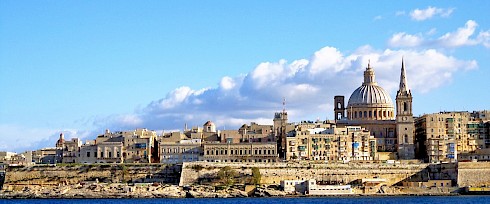
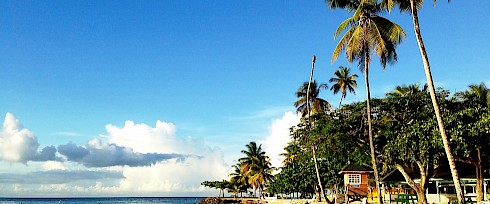
The backstreets of Valletta ooze charm. The narrow laneways of the Maltese capital are laid out in a grid pattern and flanked by overhanging balconies, shuttered to keep their occupants cool from the hot sun. Some 320 monuments are cloistered within these streets, a testament to the rich and varied history to which the country can lay claim.

As you walk around you occasionally catch a glimpse of the harbours to either side of the peninsula: Marsamxett to the west and the Grand Harbour to the east. These offer a more modern image of Malta, with huge mega-yachts lined up in rows and giant cruise ships gliding by to their moorings at Valletta Cruise Port.

The mix of history and modernity within easy reach of each other sums up what Malta has to offer visitors. The country has seen wave after wave of invaders through the centuries, all of whom left their mark, but these days it is also a young and forward-looking nation.

Growing numbers

Last year some 1.3 million tourists had a taste of what the country had to offer. A further 490,000 people made shorter visits as part of a cruise tour around the Mediterranean.

Between them, these groups now represent a major economic boon to the country and one that the authorities are keen to encourage.

The cruise port, for example, is continually expanding its facilities to accommodate the rising number and size of vessels. “We are preparing for the future and our plan is not to stop,” says John Portelli, chief executive officer of Valletta Cruise Port. “We will continue to develop. I think this business will continue to grow.”

For those who venture around the island, there is no shortage of sites and activities to capture their interest. While Malta used to be known as a destination for cheaper ‘bucket and spade’ holidays, particularly among British tourists, the profile of the country has been changing in recent years into something far more sophisticated.

“The diversity we can offer, from beaches to our rich culture and history, has the potential to offer an altogether different kind of tourist experience in Malta,” says Louis Farrugia, ex-chairman of the Malta Tourism Authority (MTA).

Historic and modern attractions

The country boasts three UNESCO World Heritage sites, including the entire city of Valletta, as well as seven Neolithic temples spread across Malta and Gozo and the Hypogeum – an underground structure first excavated around 2500BC, possibly for use as a sanctuary.

For those interested in more modern, seaside attractions, the country’s standout beaches include the red sands of Ramla Bay on Gozo or the ever popular Golden Bay on the main island. There are also a growing number of dive sites, as well as the Blue Lagoon on the small island of Comino, made famous by Hollywood films.

By night the streets of Paceville and St Juliens light up and the party continues to the early hours of the morning. The Isle of MTV festival in late June is another major draw for music fans.

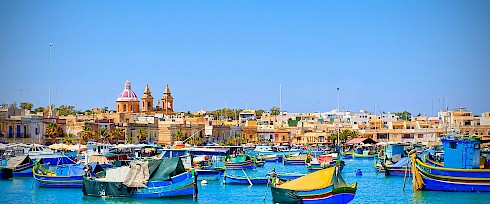
Tourists in search of more sedate charms tend to linger in the quiet streets of the ancient walled city of Mdina, or visit the innumerable churches that sit proudly at the centre of every town and village across the country. There is also the picturesque fishing village of Marsaxlokk in the east, where boats painted in a winning combination of yellow and blue paint bob up and down in the harbour.

Rising quality

The increasing number of visitors who come to explore such attractions has, in turn, prompted local businesses to expand the range and quality of services that they offer.

“Because of the build-up in the number of tourists that have come over the years, the island has expanded tremendously in that it has a choice of good restaurants, good hotels and places of entertainment for the evening,” says Alfred Pisani, founder and chairman of the Corinthia Group, the country’s leading hotel chain. “Malta has a historic culture and it is tremendous in such a small island to find so many churches and historic buildings, which is very appealing to the more culturally minded people.”

The tough economic climate in Europe is having an impact on the tourism industry in Malta. Those who visit are not always as free-spending as before, for example, but the country still relies heavily on its northern neighbours and has managed to attract rising numbers from some key markets in recent years.

“We’ve looked after the British tourist market, but we have also grown the European sector,” says Josef Formosa Gauci, chief executive officer of the MTA. “The Italian market used to be close to 50,000-60,000, but last year some 220,000 Italian tourists visited the island. Some 130,000 German tourists annually make up the third strongest sector. Outside Europe, around 35,000 Japanese choose Malta every year.”

Maintaining those growth levels requires some creativity when it comes to marketing the country to international audiences.

Creative marketing

“We’re always thinking about how to raise Malta’s profile,” adds Formosa Gauci. “For example, we recently branded a sailing boat which took part in some of the highest profile sea races around the world, including Cowes Week off the Isle of Wight. We have also forged links with professional organisations, such as the British Sub Aqua Club, to promote Malta as a diving destination. We now get up to 80,000 divers per year visiting.”

The numbers have also been helped by the growing number of air links. Air Malta still brings in around 55 per cent of all visitors, but low-cost airlines such as Easyjet and Ryanair also now fly to the island and some longerdistance routes have been opening up, such as the Emirates flight to Dubai.

“We have low-cost airlines coming here and people have a choice of more destinations than ever before,” says Farrugia. “Malta is now linked to 76 destinations, point-to-point, either through Air Malta or other airlines. The frequency has also allowed the short-stay tourist to come.”

Such air links are also vital when it comes to attracting business tourists. The meetings, incentives, conventions and exhibitions sector, known in the trade as MICE, brought in 60,000-70,000 visitors last year, with events held by major international corporations such as Sony, Phillips and Ericsson. The benefit for the local economy is that much of this takes place in what would otherwise be quiet periods for the industry, such as March to May and October to November.

“Our aim has always been to increase allyear- round seasonality, rather than have one peak in the three summer months,” says Formosa Gauci. “MICE has helped that.”

The country should get a further boost in a few years time when the capital Valletta becomes the European City of Culture for 2018. This will offer further proof that the island is these days far more than just a sun and sand destination.

STAY

There is a wide range of accommodation in Malta at all price levels, but here are three options definitely worth considering


XARA PALACE

In the heart of the old fortified capital of Mdina, the Xara Palace is a five-star boutique hotel in a 17th century palace.

www.xarapalace.com.mt


CORINTHIA PALACE HOTEL & SPA

This was the first Corinthia hotel to be developed and it remains at the heart of the luxury group’s operations.

www.corinthia.com


KEMPINSKI IN GOZO

The smartest choice on the second island of Gozo, with tranquillity guaranteed in the 30,000 square metres of hotel grounds.

www.kempinski.com