







|
Cousin Island Nature Reserve
When Nirmal Shah, chief executive of Nature Seychelles which manages the island, saw media reports in Germany urging Europeans not to travel to long-haul destinations because of the environmental implications, he decided to take action. In 2010, after a rigorous accreditation process, Cousin Island was declared the world’s first carbon neutral nature reserve. All emissions, including those flights tourists take to reach the destination, are fully offset by a combination of the reserve’s forests and carbon credits purchased from projects in developing countries.
La Digue eco-island
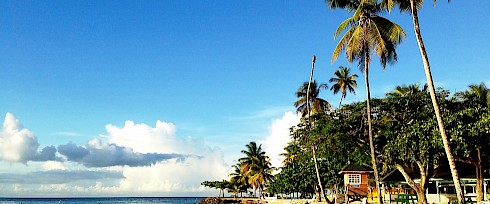
Following a 15-minute ferry ride from Praslin Island, most visitors to La Digue are initially struck by the the distinct lack of motor vehicles and sheer number of bicycles that greet them. This almost completely car-free island is set to operate solely on renewable energy by 2020, and aims to be designated the eco-capital of the world. “La Digue has all the attributes to become a perfectly safe and secure eco-island, with no pollution whatsoever. It can be done on other islands, but for now we want to tell the world it’s happening here,” said Alain St. Ange.
Outer Islands of luxury
The Outer Islands, between 230km and 1150km from Mahé, are passionately protected by the Seychelles Government. Only the most sustainable development is allowed under exceptional circumstances. Little more than coralline sand spits and lone rocky outcrops, they offer the true Robinson Crusoe experience among untouched habitats. Only Alphonse and Desroches Island offer accommodation facilities, while the remote raised coral atoll of Aldabra, a UNESCO World Heritage Site famed for its giant tortoises, is accessible via yacht charter. |