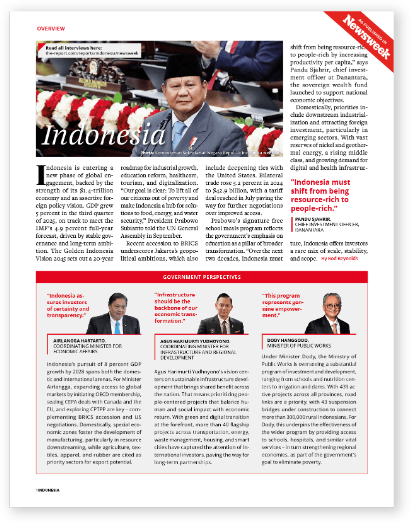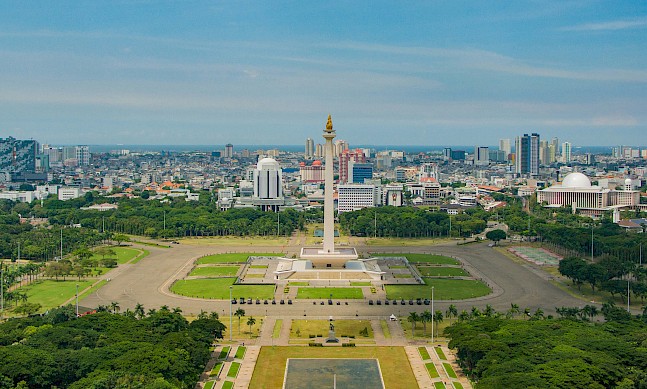








Indonesia is entering a new phase of global engagement, backed by the strength of its $1.4-trillion economy and an assertive foreign policy vision.
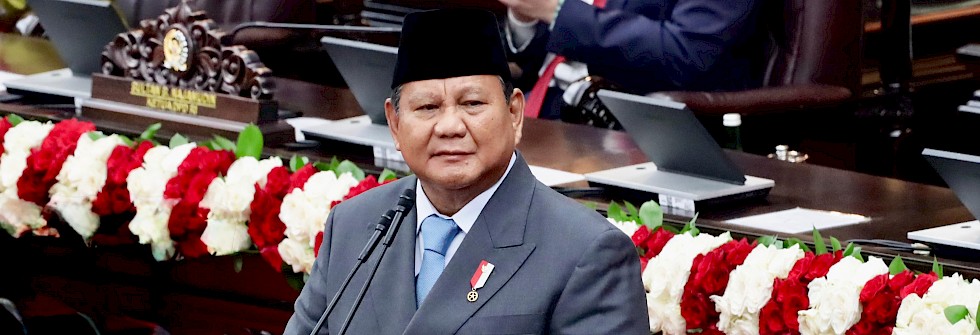
GDP grew 5 percent in the third quarter of 2025, on track to meet the IMF’s 4.9 percent full-year forecast, driven by stable governance and long-term ambition. The Golden Indonesia Vision 2045 sets out a 20-year roadmap for industrial growth, education reform, healthcare, tourism, and digitalization. “Our goal is clear: To lift all of our citizens out of poverty and make Indonesia a hub for solutions to food, energy, and water security,” President Prabowo Subianto told the UN General Assembly in September.
Recent accession to BRICS underscores Jakarta’s geopolitical ambitions, which also include deepening ties with the United States. Bilateral trade rose 5.2 percent in 2024 to $42.9 billion, with a tariff deal reached in July paving the way for further negotiations over improved access.
Prabowo’s signature free school meals program reflects the government’s emphasis on education as a pillar of broader transformation. “Over the next two decades, Indonesia must shift from being resource-rich to people-rich by increasing productivity per capita,” says Pandu Sjahrir, chief investment officer at Danantara, the sovereign wealth fund launched to support national economic objectives.
“Indonesia must shift from being resource-rich to people-rich”
Pandu Sjahrir Chief Investment Officer, DANANTARA
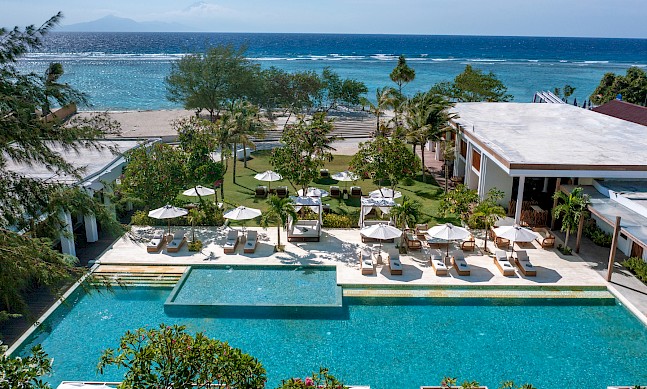
Post ThisDomestically, priorities include downstream industrialization and attracting foreign investment, particularly in emerging sectors. With vast reserves of nickel and geothermal energy, a rising middle class, and growing demand for digital and health infrastructure, Indonesia offers investors a rare mix of scale, stability, and scope.
Harnessing Industry for Growth
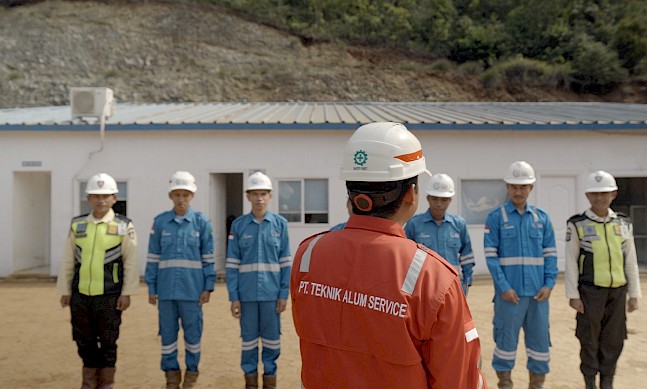
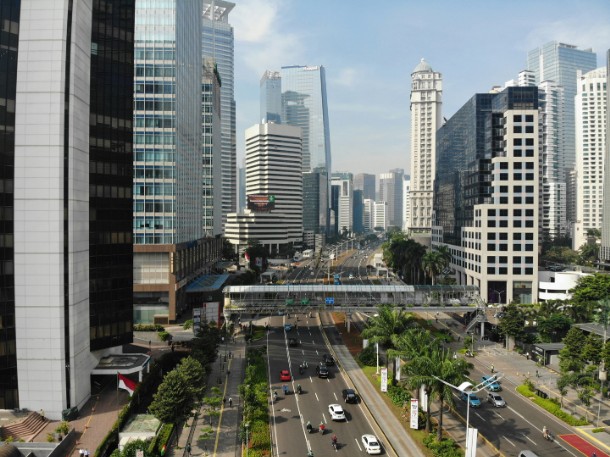
Indonesia is evolving its industrial strategy to compete on a global scale, guided by the Asta Cita framework for national transformation. Under President Prabowo Subianto, export orientation, technological advancement, and global engagement form the basis of a policy agenda that places industry at the center of long-term economic growth. “There is significant potential in developing industrial sectors,” says Deputy Minister of Industry Faisol Riza.
A central priority is downstream industrial development. The government has identified 28 commodities for value-added production, creating openings for investors across mining, agriculture, and manufacturing. “One key national advantage is our natural resources,” says Faisol, highlighting the opportunity for both job and value creation through the development of domestic processing and production facilities. However, the strategy’s scope extends beyond just resources to sectors including energy and automotive, where efforts focus on preparing companies for Industry 4.0, to enhance competitiveness. “To address this, the Ministry of Industry offers rewards to companies investing in research and production,” Faisol says.
“There is significant potential in developing industrial sectors”
Faisol Riza Deputy Minister of Industry
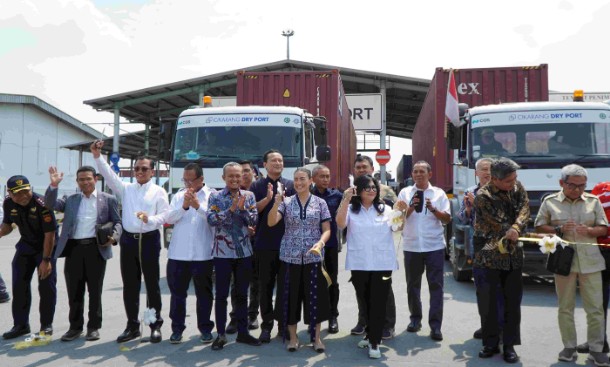
Post ThisIndustrial and special economic zones play a pivotal role in implementing the strategy. With 176 industrial zones nationwide, Indonesia is building a network of hubs to attract capital and boost exports, offering streamlined regulations and tax exemptions. “For example, raw material supply in industrial zones is not taxed,” Faisol notes. This is complemented by fiscal incentives including tax allowances and super-deductions, alongside measures such as national strategic project status for high-impact investments. Combined with a sizable and adaptable workforce, this supportive stance creates a fertile climate for growth. “Investor demand for incentives is high, prompting the president and government to project further support,” Faisol says. “Indonesia remains open and welcoming to investment.”
Geothermal Ambitions
Indonesia’s energy sector stands as both a national priority and a strategic opportunity, backed by an ambitious implementation drive. “No country can thrive without a strong energy sector,” says Minister of Energy and Mineral Resources Bahlil Lahadalia.
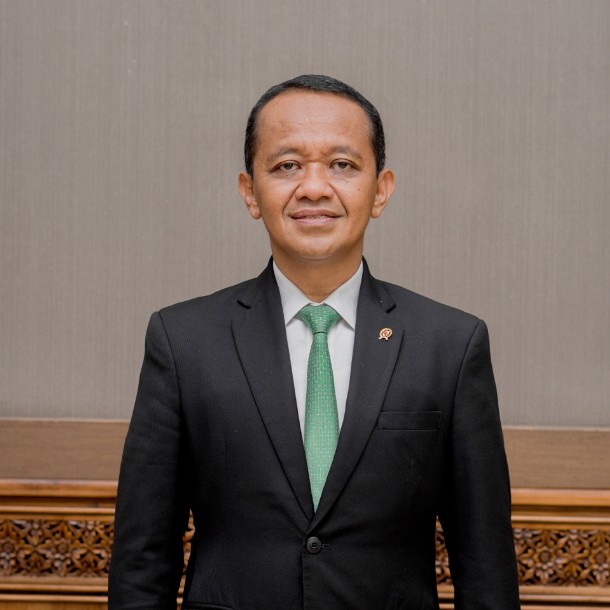
“No country can thrive without a strong energy sector.”
Bahlil Lahadalia Minister of Energy and Mineral Resources
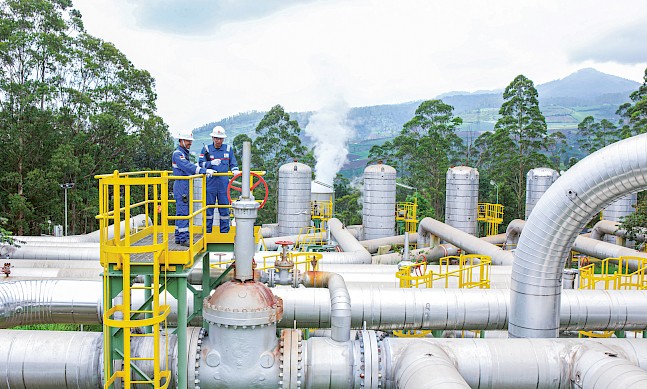
Post ThisPlans are underway to add 69 gigawatts of new power generation over the next decade, largely from renewable sources, with the biggest opportunity in geothermal. “We have the world’s second-largest installed geothermal capacity, after the U.S., and by 2027 expect an additional 500 megawatts,” Bahlil notes.
With U.S. leadership in geothermal, the sector marks a compelling entry point for investment. “Indonesia is committed to partnering with all countries,” Bahlil says.
Shaping a Digital Future
Indonesia’s digital transformation is central to its 2045 vision to become a top-five global economy. The government’s strategy rests on three pillars: robust infrastructure, skilled digital talent, and a supportive innovation environment. “Our priority is to build a strong digital ecosystem,” says Vice Minister of Communication and Digital Affairs Nezar Patria.
In pursuit of that goal, a transition to 5G is underway as part of efforts to boost internet speeds and access. In parallel, the 10,000 Digital Villages program is aiming to lift fixed connectivity to 50% within five years.
Underpinning this is sustained investment in digital education and AI-focused talent initiatives, developed in collaboration with both universities and global tech companies – backed by increased government R&D funding for digital innovation. “Stability and scale make Indonesia an attractive market for U.S. investment across industries, especially technology,” Nezar concludes.