







Indonesia is broadening international market access while embedding sustainability and innovation. In this interview, Vice Minister Dyah Roro Esti Widya Putri explains the strategy behind it.
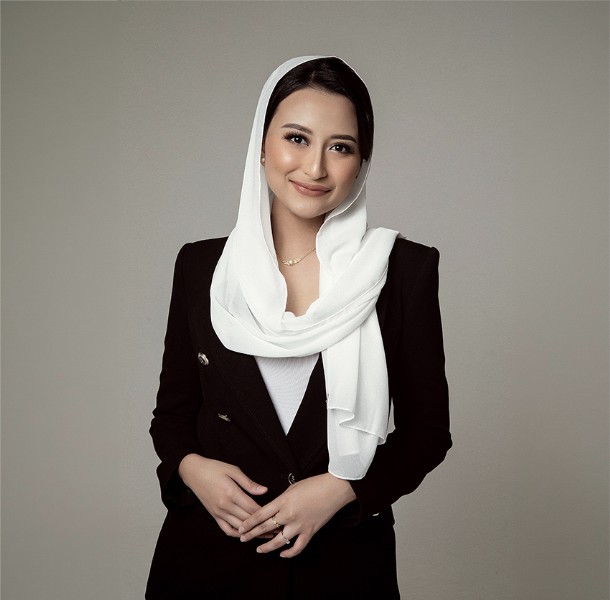
“Indonesia is positioning itself as ready to do business and cooperate.”
Dyah Roro Esti Widya Putri Vice Minister of Trade
Post ThisQ: What have been your key priorities since taking office?
Dyah Roro Esti Widya Putri, Vice Minister of Trade: At the Ministry of Trade, my minister and I have several priorities. First, we are focused on safeguarding domestic trade. We want to ensure Indonesians have access to essential daily goods and that prices remain stable. We monitor conditions in traditional markets across the country. Price disparities still occur in some regions, largely due to transportation costs, so ensuring stable pricing remains a continuing challenge.
We also want modern retail to help empower small businesses by ensuring they are included in the broader system. With Indonesia’s large population, our domestic market itself is a major strength, and we are working to leverage it.
I am particularly focused on strengthening small and medium-sized enterprises (SMEs), locally and globally. Through our “From Local to Global” program, we aim to help SMEs become better known and better positioned to export. SMEs contribute more than 60% of Indonesia’s GDP and account for around 90% of the workforce.
These are priorities we work on every day, and I work closely with my minister to advance them.
Q: What roles have most shaped how you lead?
DR: My leadership is guided by empathy for the people we serve. This aligns with President Prabowo’s vision to reach 8% GDP growth while empowering Indonesians.
If we do not take care of the environment, achieving the other goals becomes far more difficult. This perspective also reinforces the need for ministries to collaborate. Sustainability may be led by the Ministry of Environment, but it requires cross-sector work. This is directly connected to the work we do at the Ministry of Trade.
Q: What role does Indonesia play in global supply chains?
DR: Indonesia plays a significant role. Our non-aligned foreign policy is central to how we position ourselves globally, and we are continuously participating in the global supply chain.
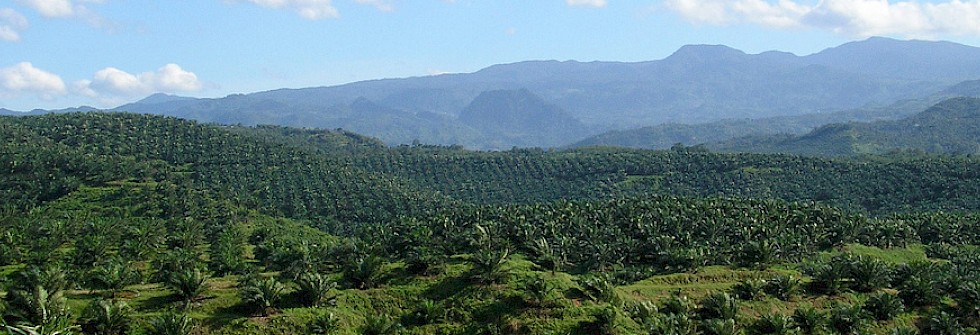
For example, Indonesia is one of the largest producers of nickel, with around 40% of reserves, and nickel is critical to the electric vehicle battery supply chain. Another example is palm oil. Indonesia is currently the world’s largest producer, at around 50% to 54% of global output. For palm oil, one of my key concerns is ensuring sustainable supply chains. We have certifications and frameworks to support sustainability.
Q: How does the ministry make global trade more sustainable?
DR: At the Ministry of Trade, we want to communicate more clearly that many trade agreements, including CEPAs, include discussions on sustainability and how to embed it in global supply chains. We also have the Indonesia Sustainable Palm Oil (ISPO) framework, which aligns with global standards. Many markets, including the European Union, require these standards.
Many exporters also use the Roundtable on Sustainable Palm Oil (RSPO) to meet demand in Europe and North America. We want to ensure businesses understand these standards and continue to implement them.
Q: Where can U.S. investors find the best prospects?
DR: The Indo-Pacific Economic Framework is a useful foundation for cooperation between Indonesia and the United States.
With Indonesia’s nickel reserves, there is significant potential for partnerships that meet mutual needs. These agreements and collaborations help Indonesia and the United States support one another and identify mutually beneficial outcomes.
Q: What does the Indonesia–EU CEPA mean for investors?
DR: The Indonesia–EU CEPA is one of several trade agreements that demonstrate Indonesia’s readiness to collaborate and strengthen bilateral ties. Through this agreement, we aim to increase predictability and improve understanding of different market needs. Regardless of broader global instability, Indonesia is positioning itself as ready to do business and cooperate.
Beyond the EU, we have other CEPAs that we want to see continue to grow. These agreements also send a positive signal to global markets and to business actors in Indonesia.
Q: Why should U.S. investors choose Indonesia now?
DR: Indonesia offers strong potential across many sectors, and international markets, including the United States, recognize that. The relationship between Indonesia and the United States is strong. The United States is one of Indonesia’s top five trading partners, and both countries continue to demonstrate close ties and openness to partnership.
Indonesia’s economic growth also requires continued development across areas such as construction and energy. We are working to enable the green energy transition, which requires technology and investment, including from countries such as the United States. Indonesia remains open.