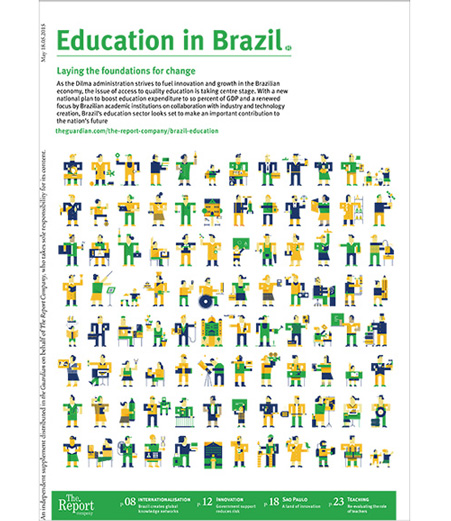
This report was published 18 May 2015 in:
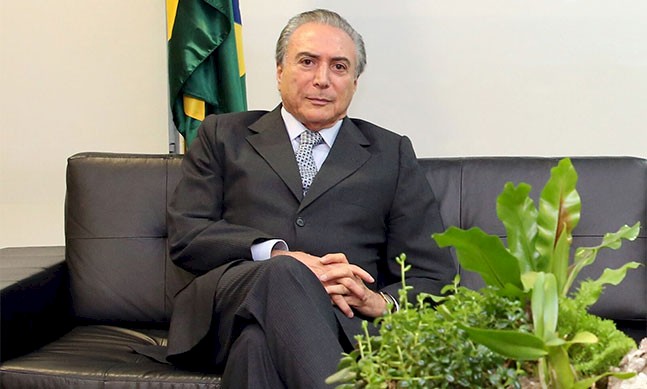
Speaking to The Report Company in mid-2014, Michel Temer outlined the challenges the Brazilian administration faces.

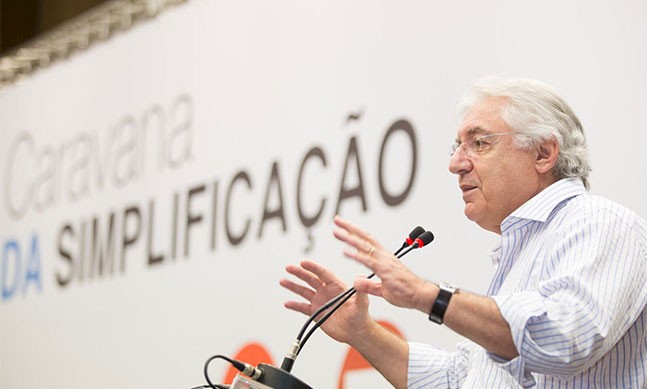
An avid supporter of Brazil’s entrepreneurs, Guilherme Afif Domingos is determined to create an environment for small business to thrive.
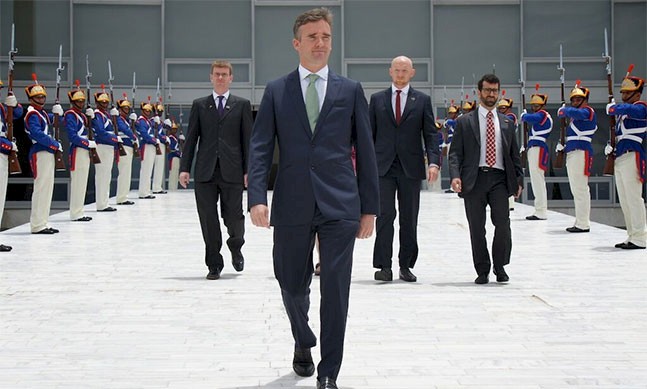
Alex Ellis has been the UK’s ambassador to Brazil since July 2013, following two years as director for strategy at the Foreign Office.
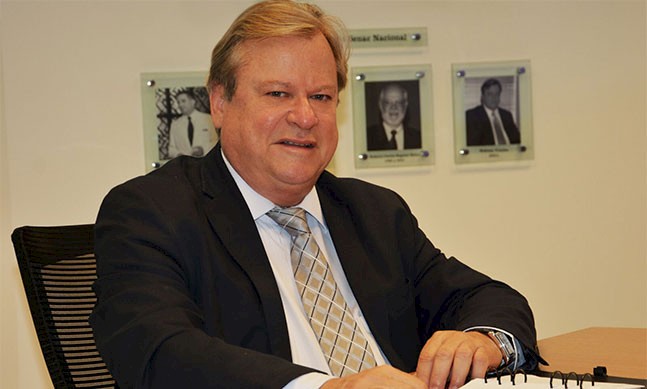
With a focus on the trade, tourism and service industries, Senac, the national vocational training service, provides a crucial lifeline to industry.
Operating in the realm of arts funding, health provision, leisure and education, Sesc was created by and for the service industry in the 1940s.
Alongside the state’s longest-serving governor, Franca has been instrumental in steering the population through various challenges.
The Sao Paulo Research Foundation (FAPESP) puts research into practice.
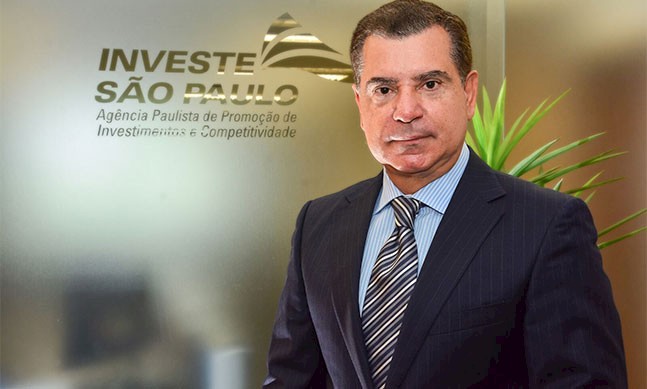
Juan Quiros assumed the presidency of Investe Sao Paulo in January 2015 and is looking to attract more mid-sized companies to invest in the state.
The University of Campinas, Unicamp, is one of the best-regarded educational institutions in Brazil.
Professor Marilza Vieira Cunha Rudge has been a professor at the Sao Paulo State University (UNESP) since 1971.
The Methodist University of Sao Paulo State (UMESP) is a privately funded, philanthropic higher education institution.
Luciano Sathler is part of the team seeking to extend UMESP’s international reach to help further expand the university.
Taking stock of progress made so far in Brazil's education sector, Sao Paulo's education secretary outlines the work yet to be done.
Chalita draws on his experience in the field of education to steer the huge and diverse metropolis toward lasting reform in the sector.
A lifelong dedication to education in Brazil led Ana Maria Diniz and her family to create the Instituto Peninsula in 2010.
The Ayrton Senna Institute (IAS) has been working with young Brazilians since 1994, undertaking research and investment in the education sector.
At the Centro Paula Souza, courses are free and admission is conducted through a series of tests with extremely high demand for every place.
Sao Bernardo do Campo is one of the three original ‘ABC’ municipalities that comprise a key industrial region in the state of Sao Paulo.
The Intermunicipal Consortium was created in 1990 to improve dialogue between the region and the state and federal governments.
Cultura Inglesa is the largest non-franchise English language school in Latin America, with schools in the states of Sao Paulo and Santa Catarina.
BRASAS was set up as a family company in 1967 to offer language tuition across Brazil.
Brasilia’s IESB University was founded in 1998 and espouses the key ideals of innovation and citizenship in its teaching philosophy.
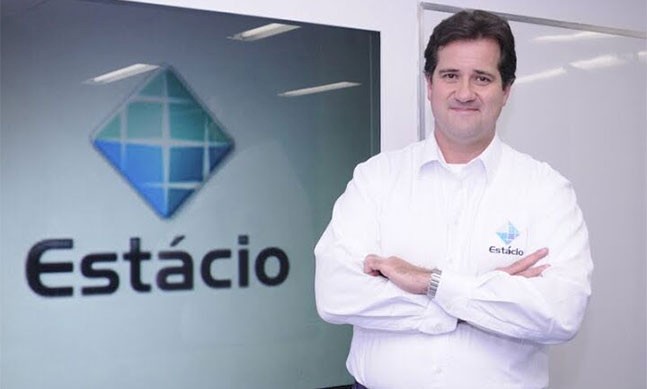
Estacio deploys a blend of private sector management tools and international partnerships to bring out the best in its students.
Brazil’s National Insurance School was founded in 1971 to encourage research and education of the country’s insurance industry.
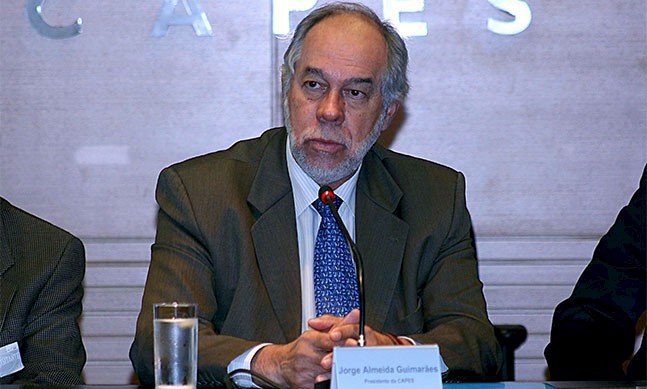
As an arm of the ministry of education, Brazil’s CAPES has played an important role in the growth and consolidation of higher education since 1951.
Brazil’s National Council for Scientific and Technological Development has promoted scientific research and innovation in the country since 1951.
The new president of CNPq, biochemist Hernan Chaimovich, is in no doubt that international knowledge sharing is the key to great global innovation.
Paulo Gadelha spoke to The Report Company about the pursuit of overseas funds and partnerships to convert knowledge into tangible innovation.
The Brazilian Corporation of Agricultural Research (Embrapa) is behind a complex, science-led revolution in Brazilian agriculture.
Gabriel Mario Rodrigues created Brazil's first-ever course in tourism and oversaw the merger of education giants Kroton and Anhanguera.
Hermes Ferreira Figueiredo talks about the challenge of attracting international students to Brazil.
Kroton Educacional became the largest educational company in the world by market capitalisation when it merged with Anhanguera in 2014.
Abril Educacao was founded in Sao Paulo in 2010, and a series of recent acquisitions has seen its influence in basic education reach even further.
In 2014, GranBio started operations at its $265 million second-generation ethanol plant in Alagoas, the first of its kind in the southern hemisphere
The Mackenzie Presbyterian University is one of the oldest educational institutions in Brazil.
Instituto Natura's CEO explains the foundation's fundamental role in the government’s strategy for growth and development.
Created in 2002 by entrepreneur Jorge Paulo Lemann, the institute began with small goals and has now expanded its vision to nationwide reform.
The central concern of the Fundacao Itau Social, the social investment arm of Itau bank, is the sustainable development of Brazil as a country.
The Vivo Telefônica Foundation was established in 1999 to invest in finding new ways for technology to improve education.
In a March 2014 interview, the 61st mayor of Sao Paulo talked about the obstructions in the administration's dialogue with the public.
Since its establishment in 2008, UFABC has gained a strong reputation for research and internationalisation.
Professor Luiz Pinguelli Rosa, member of the Nobel Prize-winning Pugwash Council, explains why education and industry must be allowed to align.
Founded in 1945, Brazil’s National Confederation of Commerce, Goods, Services and Tourism (CNC), represents one quarter of the country’s GDP.
Would you like to promote your organisation with a premium publication?