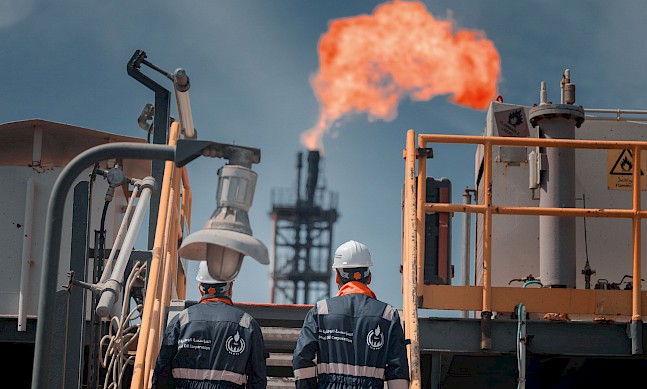









Founded in 1959, AlSahl Group has evolved from a family agricultural enterprise into one of Libya’s most diversified private sector institutions. What began as grain cultivation and olive farming in the Al-Jalida region south of Tripoli has grown into a platform spanning more than 60 companies across agribusiness, manufacturing, healthcare, infrastructure, logistics, technology, and energy services.
Under Dr. Naser Gadad, the group has pursued a strategy centered on diversification, industrial productivity, institutional growth, and long-term investment aligned with Libya’s reconstruction and modernization agenda.
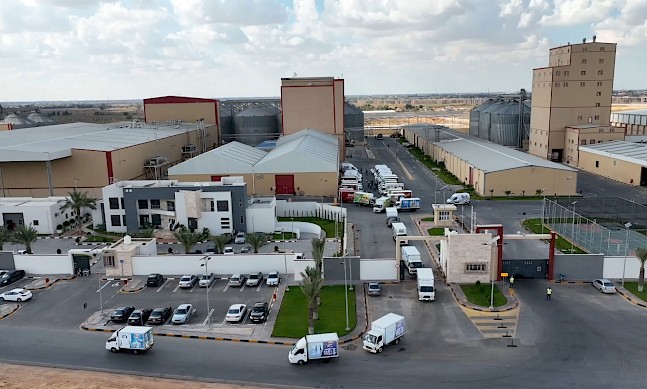
The group’s industrial core includes 32 factories spanning flour milling, food processing, poultry, and packaging, built around a vertically integrated model that enables the company to manage nearly every stage of the agricultural supply chain, strengthening domestic food security. Its operations across healthcare, technology, construction, and energy are similarly oriented around national priorities.
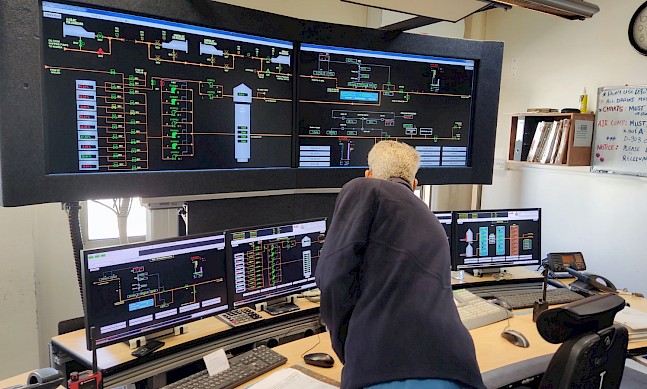
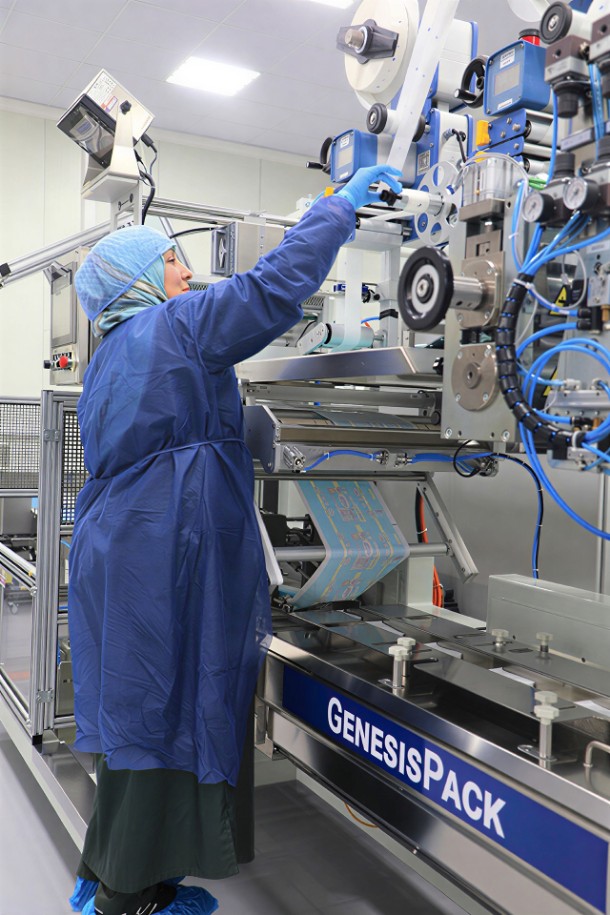 Operational discipline in production. Shutterstock/ AlSahl Group
For Gadad and the group’s leadership, the objective extends beyond commercial expansion alone. Its industrial scale, agricultural foundation, and nationwide operational footprint position AlSahl Group as a powerful example of how private enterprise can contribute to national transformation, economic resilience, and sustainable development across Libya.
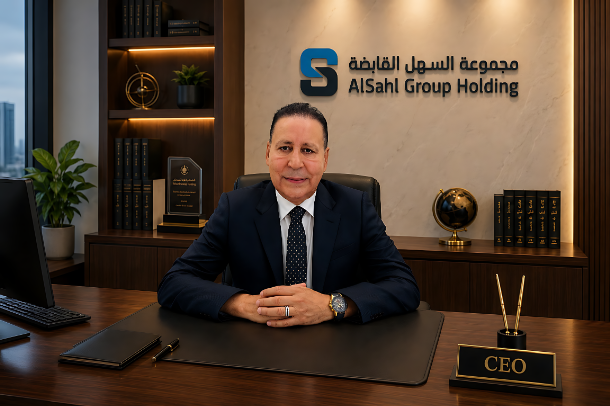
“Diversification is essential for long-term stability.”
Dr. Naser Gadad, General Manager, AlSahl Group Holding
Post ThisDr. Naser Gadad outlines how AlSahl’s focus on scale and delivery is contributing to Libya’s future.
Q: How has your vision for AlSahl Group evolved over the years?
When we expanded and restructured the group, our focus was on building a diversified operational platform across sectors essential to Libya’s economy. Over time, the priority shifted toward strengthening institutional capacity, improving operational discipline, and creating integrated businesses capable of supporting long-term national development.
Q: Why is diversification so important to AlSahl Group’s strategy?
Diversification is essential for long-term stability. Libya’s future depends not only on energy resources, but also on agriculture, manufacturing, infrastructure, healthcare, logistics, and technology. Our approach is based on building interconnected operations that strengthen supply chains and support domestic production.
Q: How important is social responsibility within the company’s philosophy?
Social responsibility is a core part of our identity. Our charitable initiatives include scholarships, healthcare support, humanitarian assistance, rehabilitation programs, and community development projects across Libya.
Q: What message would you give to international investors looking at Libya today?
Libya has significant long-term potential. Investors who build strong local partnerships and take a long-term perspective will find substantial opportunities across multiple sectors.