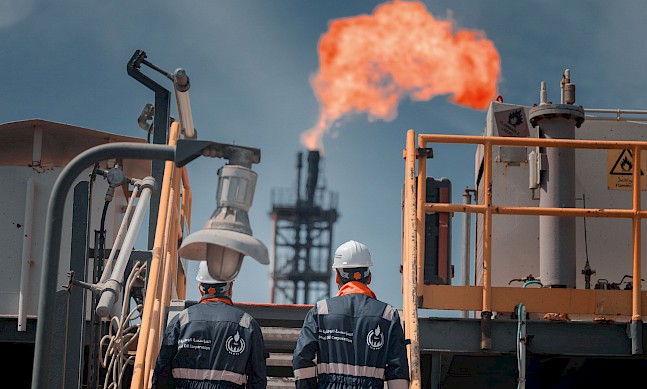








Zueitina Oil Company occupies a distinctive position in Libya’s energy sector, acting as a producer, operator, and midstream hub through its infrastructure network and Mediterranean export terminal. Under Chairman Faisal Said Meloud, the company has recorded a 75% increase in production, achieved not through new drilling or external capital but through optimization of existing capacity and systems. “Growth has been driven by a clear focus on three priorities: people, assets, and environmental protection,” says Meloud.
“This company demonstrates that efficiency, technology, and leadership can unlock meaningful growth for Libya.”
Faisal Said Meloud, Chairman, zueitina oil company
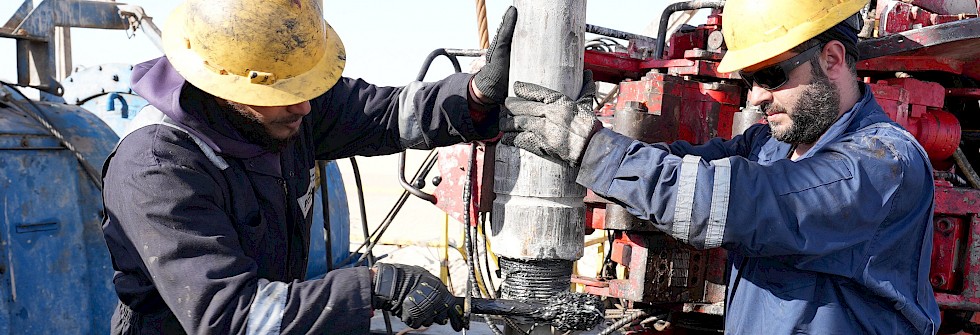
Post ThisAs well as human-capital development, gains have been driven by rehabilitating existing infrastructure, improving operational efficiency, and restoring idle systems such as injection trains. “This approach highlights that even mature assets can deliver substantial gains when managed with precision and strategic discipline,” says Meloud. That discipline also applies to cost efficiency, with in-house solutions now prioritized over external contractors, resulting in substantial savings.
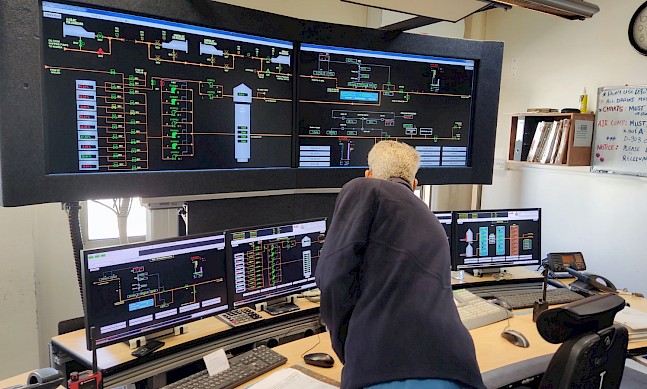
Underpinning these advances is a growing investment in technology. Real-time data systems, artificial intelligence, predictive analytics, and advanced well intervention tools have reshaped how the company monitors pipelines, anticipates failures, and protects production continuity. “Technology is at the core of Zueitina’s transformation,” says Meloud.
Taken together, these initiatives enable the company to better support Libya’s national strategy to raise production levels, with the goal of reaching two million barrels per day over the next few years. For Meloud, international energy firms are crucial to that strategy, drawn by a compelling case for cooperation with local partners. “The country presents strong opportunities for long-term partnerships, encouraging international investors to engage through joint ventures and strategic collaboration,” he says. “This company demonstrates that efficiency, technology, and leadership can unlock meaningful growth for Libya and its stakeholders in the oil and gas sector.”
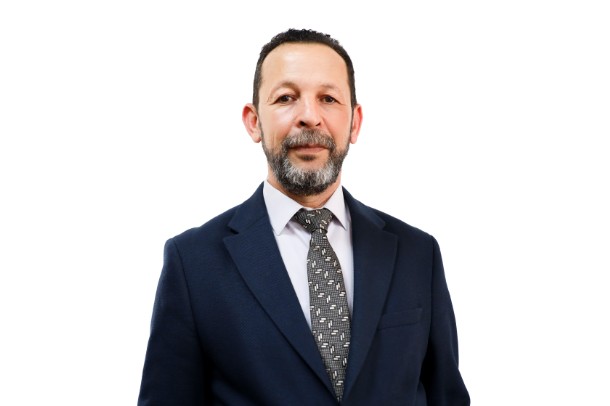
Chairman Faisal Said Meloud outlines Zueitina’s vital role in linking upstream and downstream segments.
Q: What defines Zueitina’s strategic importance in the sector?
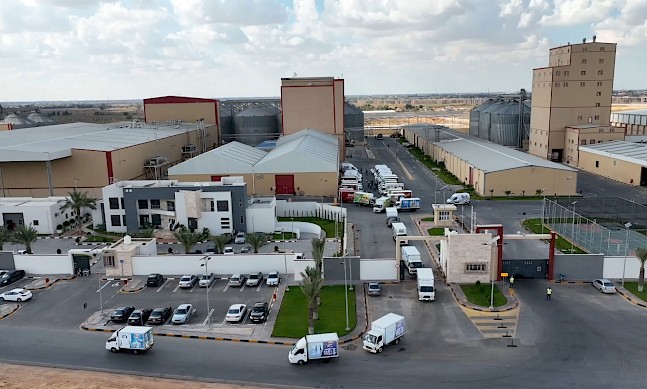
Zueitina’s importance lies in its integrated operational role. We operate in three segments: upstream, operational, and terminal. The company acts as a central hub within Libya’s energy system—receiving oil and gas from multiple operators, processing and handling production, and transporting it through our network to our Mediterranean terminal for export. This makes Zueitina a critical link between upstream production and downstream delivery, supporting companies such as Waha Oil Company and Mellitah Oil and Gas while ensuring the smooth flow of resources to global markets.
Q: What are your operational priorities to support national production?
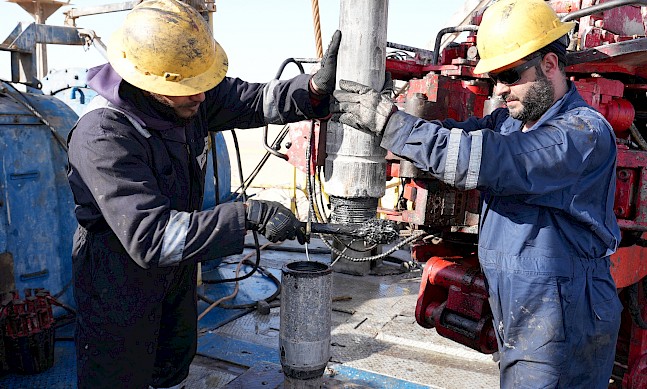
Zueitina’s infrastructure, much of which dates back over 50 years, presents a significant operational challenge. The company is addressing this through predictive maintenance, advanced pipeline monitoring technologies, and continuous infrastructure rehabilitation. These efforts aim to reduce leakages, protecting the environment and preserving production levels.
Q: What role can international partners play?
International partnerships remain essential to Zueitina’s strategy. These collaborations provide access to advanced technologies, facilitate knowledge transfer, and allow for shared operational and financial risk. Zueitina has a long history of working with international oil companies and continues to expand these relationships.