







Led by Dr Mohamed Edhir, Petro Air draws on decades of specialized aviation experience supporting onshore and offshore operations across Libya’s oil and gas sector. As national production moves toward two million barrels per day, Edhir discusses the company’s expanding operations and opportunities for cooperation with US partners.
Q: How do you want Petro Air to be perceived by global partners?
We want Petro Air to be recognized as a professional, dependable, and highly specialized aviation partner for Libya’s energy sector. Most Libyan oil companies operate in partnership with international companies, and each partner has its own safety, technical, and operational requirements. Petro Air is accustomed to working within these frameworks. We undergo regular audits and assessments conducted by international aviation consultants and by the foreign partners of our clients.
We are fully prepared to comply with additional or customized requirements, including specific standards relating to pilot qualifications, crew age limits, aircraft configuration, safety procedures, or operational reporting. When an international operator has specialized requirements, Petro Air is prepared to adapt its procedures and provide a service that meets the required standards.
“We want Petro Air to be recognized as a professional, dependable, and highly specialized aviation partner.”
Dr Mohamed Edhir, Chairman, Petro Air
Post ThisQ: What differentiates Petro Air from other aviation operators?
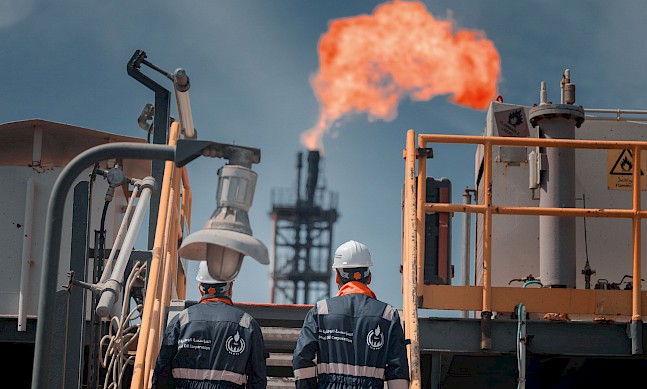
Our greatest strength is our specialized experience in the oil and gas sector. Petro Air is owned by the National Oil Corporation (NOC), and our operational heritage extends over several decades. Before the company was consolidated into its present structure, individual oil companies maintained their own aviation operations. Many of the pilots, engineers, and technical specialists who joined Petro Air came from those companies. As a result, members of our team possess 25 to 30 years of direct experience in aviation operations supporting oilfields, remote installations, and offshore activities.
We also maintain technical capabilities and personnel at multiple operational locations. Our engineers understand the requirements of remote airstrips, desert operations, and oilfield logistics. This combination of sector knowledge, regulatory experience, and technical expertise distinguishes Petro Air.
Q: How can Petro Air build synergies with returning US energy companies?
Petro Air is well positioned to support the renewed participation of US and international companies in Libya. We understand the operating environment, the regulatory framework, and the logistical realities of the country’s energy sector. We have also worked with international partners already active in Libya and are familiar with the standards expected by global energy companies.
Our company can provide aviation services for personnel movement, technical teams, equipment support, field access, and offshore operations. Where a client has specialized requirements, we can develop customized operating procedures and service arrangements. Our objective is to serve as a trusted local aviation partner, combining international standards with deep knowledge of Libya’s operating environment.
Q: How does the company support national targets for higher output?
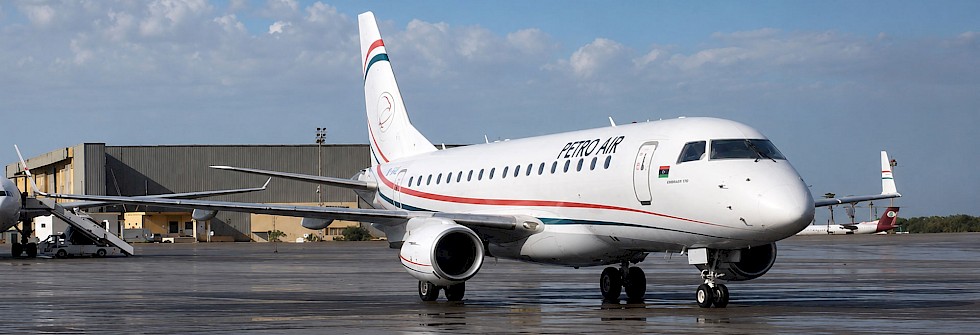
Aviation is an essential part of oilfield development, particularly in a country as geographically extensive as Libya. Petro Air currently operates approximately five to six flights each day to oilfields and remote locations, in addition to internal flights between field facilities. Many of these flights serve multiple destinations or operational centers.
As production expands, the demand for personnel transport, technical support, maintenance access, and emergency response will increase. Petro Air is therefore expanding its operational readiness and preparing to introduce additional aircraft. We are also planning new aviation capacity for offshore operations, including helicopters.
Q: Why should international operators consider Libya?
Libya offers compelling opportunities for long-term investors, particularly in the energy sector. Established European and international operators have demonstrated that it is possible to work successfully in Libya with the appropriate partnerships and operating structures.
The environment today is more favorable than it was previously. Libya possesses substantial oil and gas resources, high-quality crude, competitive production costs, and extensive areas that remain underexplored. This is a timely moment to invest in Libya, particularly given NOC’s renewed focus on increasing production, developing infrastructure, and attracting international expertise.